Ventilation Specialists
Attic Mold Removal in Denver, PA
Attic mold almost always has a ventilation story behind it, and treating the mold without fixing that story just buys time.
📞 Call +1-844-578-1604 Now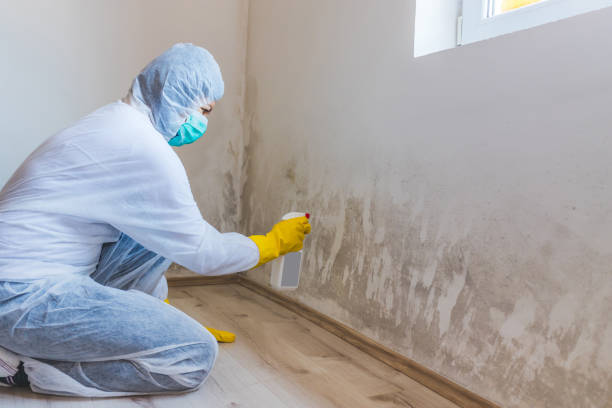
Attic mold almost always has a ventilation story behind it, and treating the mold without fixing that story just buys time.
📞 Call +1-844-578-1604 Now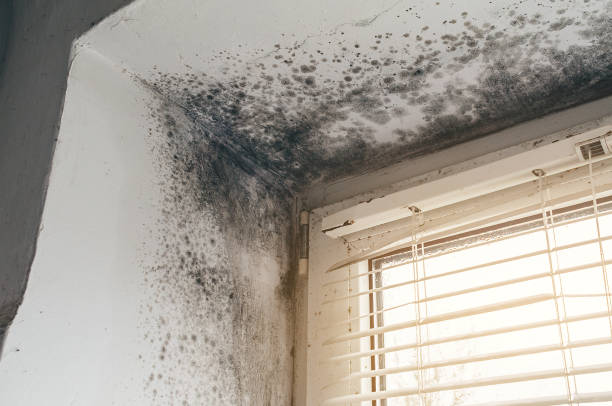
Our technicians are trained to move safely across roof framing and correctly identify soffit, ridge, and exhaust-fan issues that standard mold crews often miss.
We built this as its own specialty because attic work brings different hazards and different root causes than living-space mold.
Four reasons Denver property owners trust us with this specific job.
Our Denver techs are trained to move safely across roof framing without damaging insulation or ceiling drywall below. We check attic insulation R-value while we're already up there assessing the mold.
Every Denver attic job includes a ventilation assessment, not just a mold treatment. Our Denver roof-access gear meets standard safety protocol for working above living space.
Insulation with active mold contamination typically can't be cleaned and gets removed and replaced. We check attic insulation R-value while we're already up there assessing the mold.
We'll tell you upfront whether your Denver job needs interior access or can stay exterior-focused. Our Denver roof-access gear meets standard safety protocol for working above living space.
Every Denver job gets scoped to the specific problem, not a generic checklist.
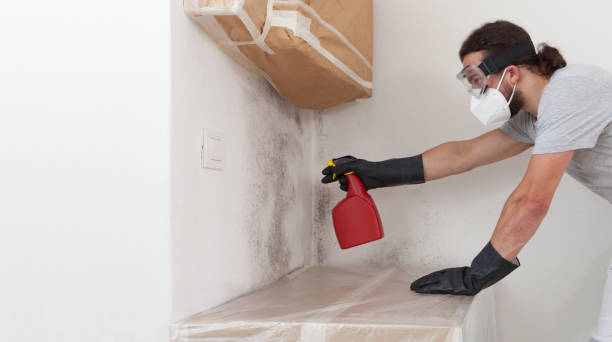
We test the treated sheathing afterward to confirm the surface came back to normal.
Balancing intake and exhaust is often the single biggest factor in whether Denver attic mold returns.
Rerouting the vent outdoors usually resolves the moisture source behind localized mold near that spot.
New insulation goes in only after the surface beneath it has been fully treated and verified.
We clean the whole affected zone, not just the most visibly stained rafters.
This final check is what separates a real fix from a Denver job that looks good for six months and then doesn't.
Here's what a Denver attic mold job actually involves, from first call to final ventilation check.
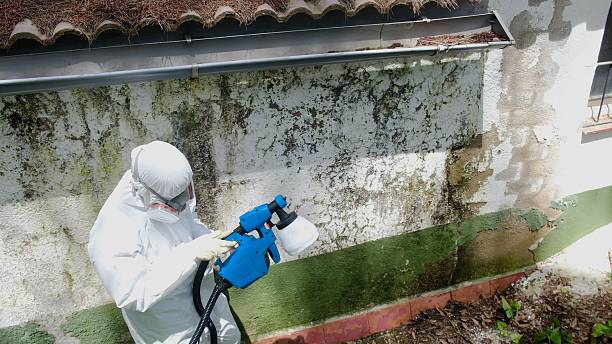
A quick call helps our Denver dispatcher send the right equipment on the first visit. Texting a photo ahead of time can speed up prep.
Response time in Denver is typically same-day, faster for active emergencies. You'll get a call or text when the crew is on the way.
We inspect, test where needed, and give you a flat-rate quote before any work begins. We'll explain the quote in plain language, not just hand you a number.
You get documentation proving the work was completed to standard. Any follow-up questions get answered on the spot, not routed to voicemail.
A few recent stories from attic jobs around Denver.
"Turns out our bathroom fan had been dumping moisture straight into the attic for years — nobody ever caught it until this crew did."|"Roof deck looks completely different now, no more black staining." — Cassandra L., Denver
"They didn't just treat the mold, they explained why our attic wasn't ventilating properly in the first place."|"Replaced our insulation and the whole space feels different now." — Julian F., Denver
"Fast, clean work and they didn't track anything through the house."|"Appreciated that they checked the soffit vents instead of just spraying the visible mold." — Wanda T., Denver
Attic mold treated without fixing the ventilation behind it tends to come back, so we handle both in one Denver visit.
Call +1-844-578-1604WQB Mold Removal dispatches attic specialists throughout Denver and the surrounding Denver, PA area.
We're equipped to handle both the treatment and the airflow correction in a single Denver, PA visit whenever possible.
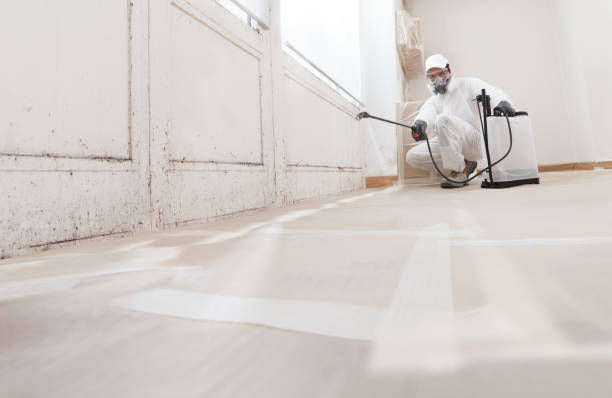
Proudly serving zip codes in Denver, PA including 17517
Answers to what Denver customers ask before booking attic mold removal.

Most attic mold in Denver properties traces back to poor ventilation or an interior exhaust fan venting into the attic, not a roof leak.
We'll show you exactly which sections need replacement before doing any of it.
When roof access is workable, much of the job can happen without disturbing your living space.
A standard treatment typically takes half a day to a full day depending on square footage and severity.
Yes, especially if there are gaps around the attic hatch, recessed lighting, or ductwork that allow air exchange.