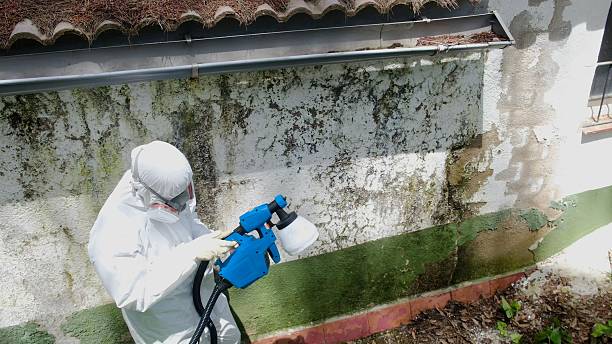
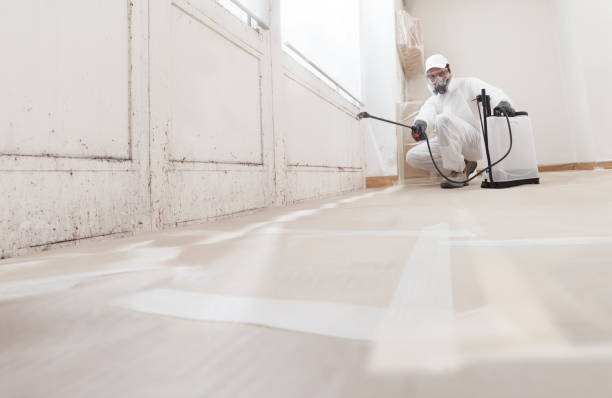
WQB Mold Removal's Denver black mold crews use full containment and respiratory protection because this species carries real health risk for occupants.
📞 Call +1-844-833-1325 Now
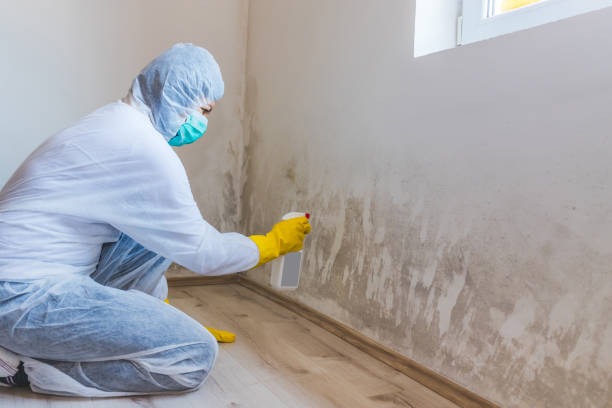
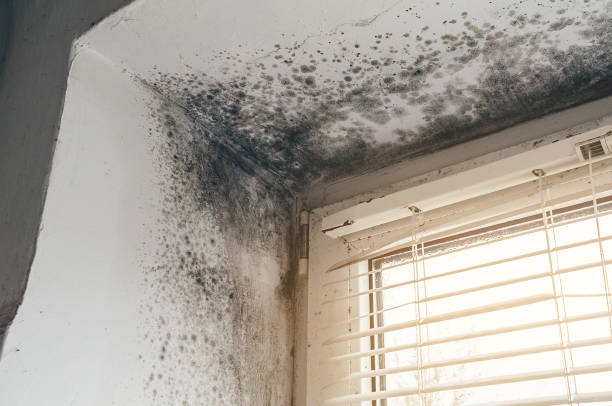
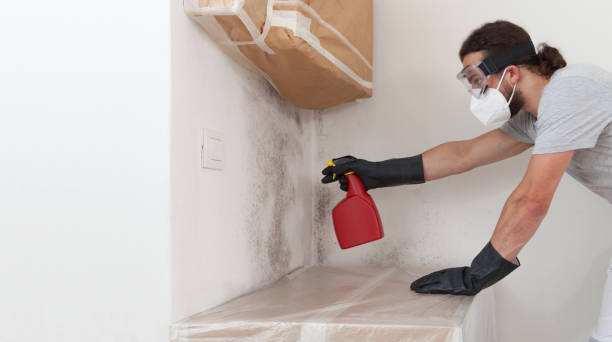
Our Denver, PA technicians are trained specifically in Stachybotrys protocol, not just general surface mold removal scaled up.
Every Denver job gets documented thoroughly enough to support whatever comes next, medically or legally.
Four reasons Denver property owners trust us with this specific job.
Our Denver crews wear full-face respirators and disposable suits on every black mold job, not just gloves and a mask. Every technician on a toxigenic job has completed specialized containment training beyond standard certification.
Containment stays in place until post-treatment testing confirms it's safe to remove. We log air quality readings throughout the Denver job, not just at the start and end.
Our process follows protocols designed around occupant safety, not just cosmetic cleanup. Every technician on a toxigenic job has completed specialized containment training beyond standard certification.
We understand this diagnosis creates urgency, and our dispatch reflects that. We log air quality readings throughout the Denver job, not just at the start and end.
Here's exactly what our Black Mold Removal service covers in Denver, PA.

Misidentifying common surface mold as toxigenic wastes money on protocol that isn't needed, so confirmation matters.
Heavy plastic sheeting and negative air pressure isolate the contaminated zone before any material is disturbed.
Equipment stays in place through post-treatment testing, not just during active demolition.
Porous materials with active toxigenic growth — drywall, insulation, carpet padding — typically can't be salvaged and get removed per protocol.
An independent clearance test confirms spore counts are back to a normal range before containment comes down.
Reoccupancy guidance is based on lab results, not a visual check alone.
Here's exactly how a Denver black mold job is handled, from first call to final clearance.

A quick call helps our Denver dispatcher send the right equipment on the first visit. Texting a photo ahead of time can speed up prep.
Response time in Denver is typically same-day, faster for active emergencies. You'll get a call or text when the crew is on the way.
We inspect, test where needed, and give you a flat-rate quote before any work begins. We'll explain the quote in plain language, not just hand you a number.
You get documentation proving the work was completed to standard. Any follow-up questions get answered on the spot, not routed to voicemail.
We didn't write these — our Denver customers did.

"My daughter's breathing problems improved within weeks of the remediation — turns out it really was the mold behind her closet wall."|"They took it seriously from the first call, not just after we mentioned symptoms." — Fatima N., Denver
"Full containment, full suits, the works — I finally felt like someone was treating this like the real problem it was."|"Clearance testing gave us documented proof before we let the kids back in that room." — Grant W., Denver
"Fast response once we got the lab confirmation — they were on-site within a day."|"Explained every step of the containment process before starting." — Priscilla D., Denver
Toxigenic mold discovery deserves a fast, serious response, and our Denver crews prioritize these calls accordingly.
Call +1-844-833-1325Inside our Denver coverage zone, emergency black mold response is prioritized same-day.
Full PPE and containment equipment stays stocked on every Denver response vehicle, ready for immediate deployment.

Coverage extends to zip codes such as 17517
Answers to what Denver customers ask before booking black mold removal.

Stachybotrys chartarum specifically has been linked to respiratory symptoms in some occupants, especially with prolonged exposure.
For extensive contamination, we may recommend temporary relocation, especially for anyone with respiratory sensitivity.
The underlying goal is the same — get rid of it — but the health stakes change how carefully the process is run.
A sample sent to an independent lab is the only way to confirm species with certainty.
We provide the documentation most carriers ask for, including lab confirmation and photos of the containment process.